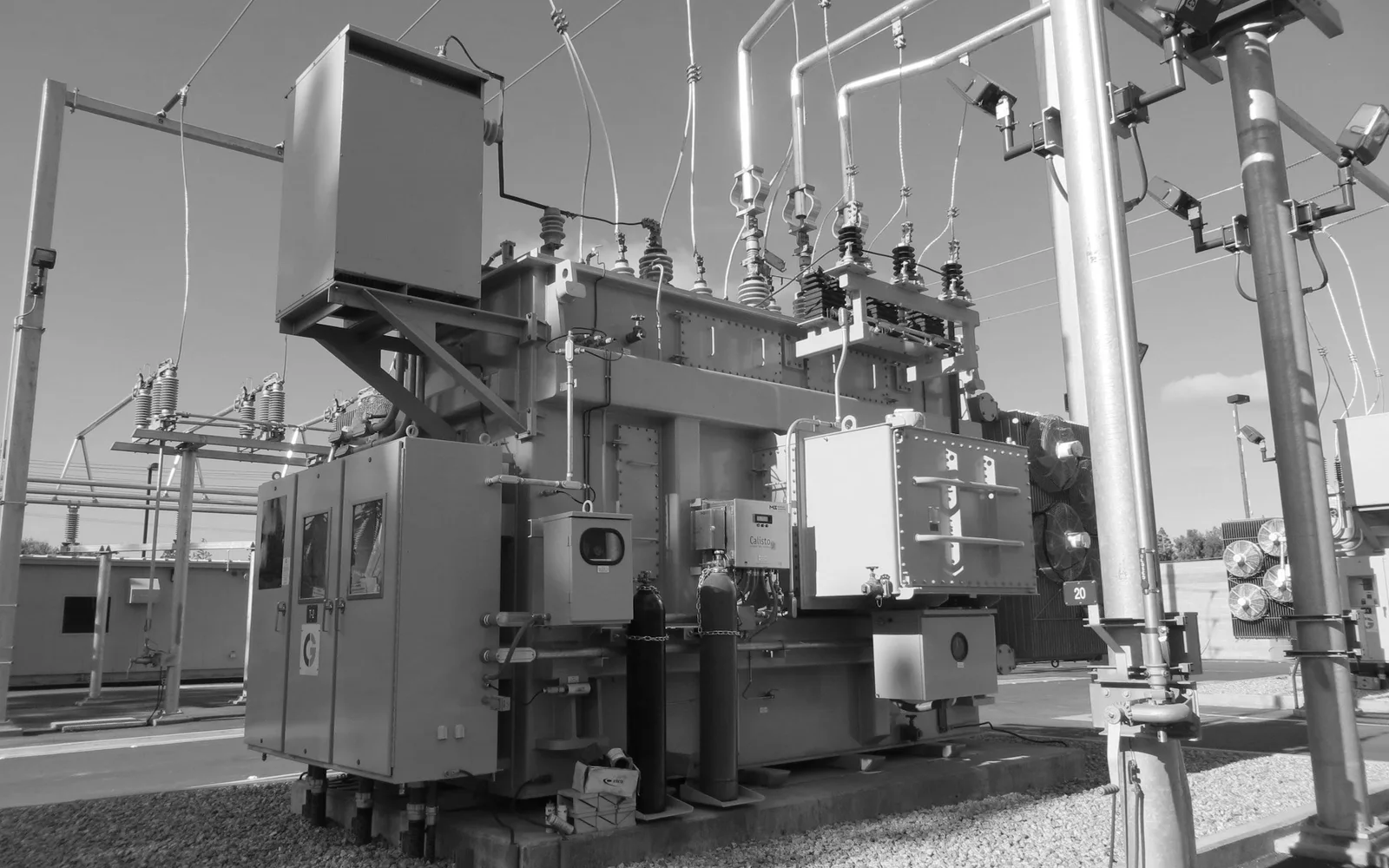
EPA's eGRID can support an estimate of the emissions associated with a data center's purchased electricity. It does not, by itself, identify what that site's backup generators emitted, which power plant served it at a particular hour, or what a nearby resident breathed. Those are separate questions with different evidence requirements. A useful public discussion starts by stating which one is being answered. This review reads EPA's dataset pages and calculation guidance as a method for bounded interpretation. It does not calculate a particular company's footprint or attribute harm to a named facility. The proposed review questions concern the accuracy of that interpretation; citing EPA does not mean the agency has reviewed or endorsed this page.
What the federal dataset describes
EPA describes eGRID as an inventory of environmental characteristics of U.S. electricity generation. Its fields include generation, emissions, emission rates and resource mix. The dataset supports work at plant and aggregated geographic levels. EPA's frequent questions explain that the underlying information combines federal electricity and environmental reporting sources. A published factor therefore belongs to an identified dataset, reporting year and geographic definition.
For readers evaluating a data-center claim, that provenance is useful. It makes the stated method inspectable rather than leaving a single emissions number without an origin. It also creates a boundary: a regional electricity-generation inventory is not a replacement for a facility's operating record. A reviewer should be able to trace the factor used without assuming that every field answers the same local question.
What EPA's calculation guidance actually asks for
EPA's electricity-use worksheet describes a sequence: identify relevant eGRID information, collect electricity-use data and calculate the associated emissions. It discusses selecting a suitable year and geographic level and keeping units consistent. The method concerns an allocation of electricity-generation emissions to electricity use. It does not transform an assumed power demand into a measured annual operating total for a proposed project.
A transparent analysis should therefore show both inputs separately. Identify the electricity figure as metered consumption, a company disclosure, a scenario or a projection, as appropriate. Identify the emissions factor with its dataset version and unit. Then describe the resulting number according to the quality of those inputs. If the electricity figure is hypothetical, the output remains a scenario even when the factor comes from an official source.
Why the year and geographic boundary matter
EPA's detailed-data page distinguishes the underlying data year from later release and revision dates. The page reviewed for this article presents eGRID with 2023 data and lists releases and revisions in 2025. Those dates describe different events. Describing that file as a measurement of electricity use in 2026 would conflate publication history with the period represented by the data.
For electricity-use estimates, EPA recommends considering the relevant eGRID subregion rather than simply treating a state average as the correct supply factor for every address. A reader should ask which boundary was selected and why it matches the method. Comparing two results without comparing their years and geographic definitions can hide a methodological difference behind an apparently simple difference in emissions.
Keep purchased electricity and onsite generation separate
A data center may purchase electricity and also have permitted combustion equipment at its own site. A regional electricity emissions estimate and an air permit answer different questions. Public Evidence's existing air-permit guide explains why a permit record needs to be read within its own scope. Adding a regional allocation number does not supply missing information about the hours, fuel use or emissions of specific backup equipment.
An analysis combining these subjects should label each layer and explain the basis for combining it. Readers need to know whether a displayed value represents electricity-use accounting, permitted equipment, reported operations or another measure. Without that separation, a chart can imply direct local emissions where it actually contains an allocation from a broader electricity system. That implication would go beyond what the eGRID factor alone establishes.
What this record does not establish
The presence of an official emission rate does not resolve every uncertainty in a facility-specific claim. It does not independently verify the facility's electricity purchases, proposed load, operating schedule or contractual arrangements. An annual average does not identify the effect of an incremental load at every hour. Nor does a multiplication of electricity use and a factor provide an exposure assessment, a dispersion model or a finding about a particular person's health.
These limits are reasons to state the claim carefully, not reasons to discard the dataset. eGRID can be useful for the accounting question it addresses. Questions about marginal electricity effects, local air quality or health outcomes need their own methods and inputs. A public summary should describe those missing layers instead of presenting one broad number as a complete account of every impact.
A reproducible review record for a public claim
A reviewer can begin with a compact evidence record: the public question; facility or portfolio scope; electricity-data source; observed or projected status; reporting period; factor field; dataset version; selected geography; units; and calculation steps. Preserve the source links and explain any conversion or assumption. This is a proposed review practice, not an additional requirement imposed by EPA on every reader.
Then write the conclusion at the same level of certainty as the record. If the inputs support a scenario for purchased-electricity emissions, call it that. Identify what would be needed to update it to observed operations or to answer a different question about onsite equipment. Link to the related electricity-demand and air-permit evidence so readers can inspect each layer without confusing their scopes. A useful correction should identify the disputed input or inference and the stronger record that would change it.
The source controls over this summary. Corrections should identify the disputed sentence and the strongest available primary record.
Questions about framing and source selection: [email protected]. A named editor has not yet been published; no cited researcher is represented as responsible for this page.
Send the page URL, disputed claim and supporting source. Review does not require endorsement.
Request a correction →